Choosing a Polymer Grade: Compare Process and Test Data

Selecting a polymer starts with the finished part and manufacturing process. The material family narrows the search, while the producer’s grade record provides the detail needed for a technical comparison. A lower quotation alone cannot establish that two grades are interchangeable.
Define the application
Describe the end product, processing method and performance requirements. Identify whether colour, stiffness, appearance or another property is critical. For a regulated application, request the relevant producer documentation and arrange a qualified review of the intended use.
Read the producer’s grade record
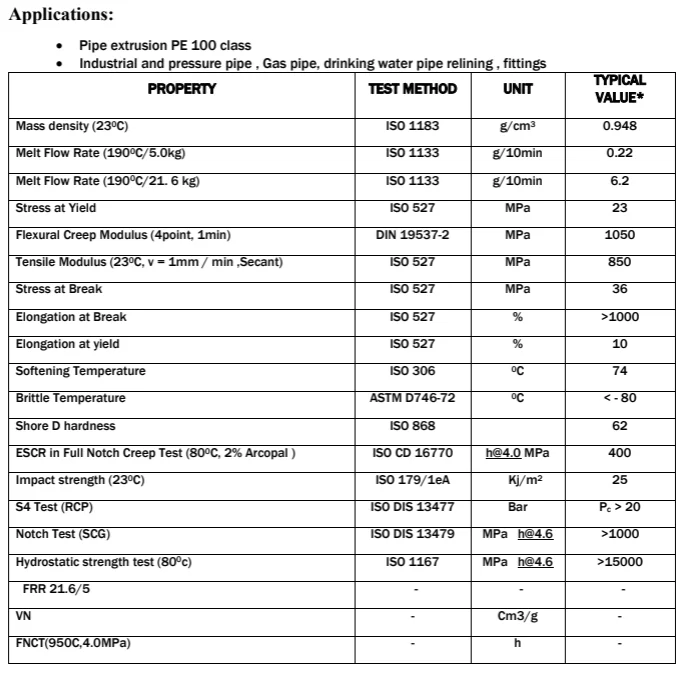
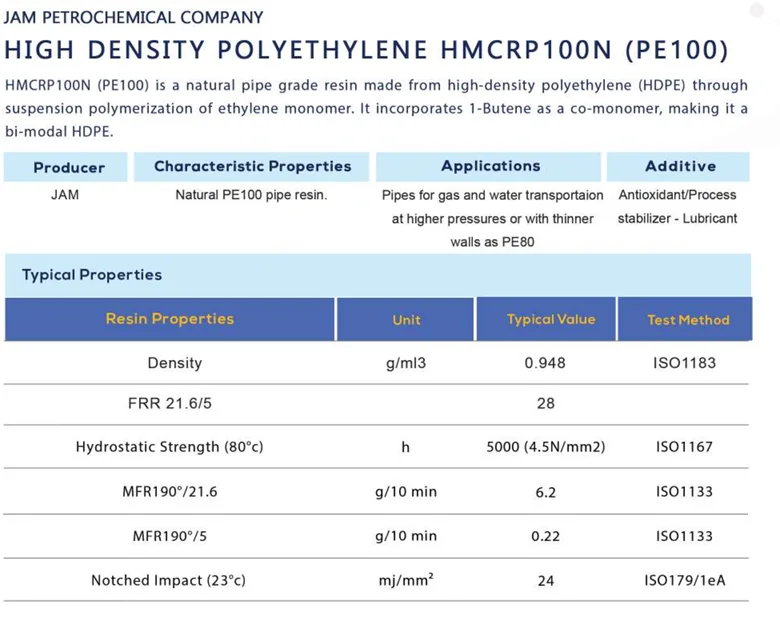
Check the exact grade designation and the applications described by the manufacturer. For example, a producer’s polyethylene grade page may identify an extrusion-coating or film application and list density and melt flow rate. Those details belong to that specific grade.
Compare measurements on the same basis
Keep the units and test conditions beside each value. A melt flow rate reported with a particular temperature and load should not be compared as an unqualified number with a result measured differently. Ask for the underlying datasheet when the quotation omits these details.
Confirm an alternative through review
Build a short comparison table and highlight differences, missing information and proposed acceptance criteria. Arrange a technical review and, where appropriate, a processing trial before approving a substitute. Document the agreed grade rather than relying on a broad family description.
Send a focused specification
Include your current grade, application and required properties in a material enquiry. State whether an alternative may be proposed and how your team will evaluate it.
References · Producer example with application, density and melt-flow test conditions