
TDS, SDS or COA? Choosing the Right Product Document
A technical data sheet, safety data sheet and certificate of analysis answer different questions. Knowing which document to request makes a material enquiry more precise and helps the right people review the information before an order proceeds.
Use the TDS to review the grade
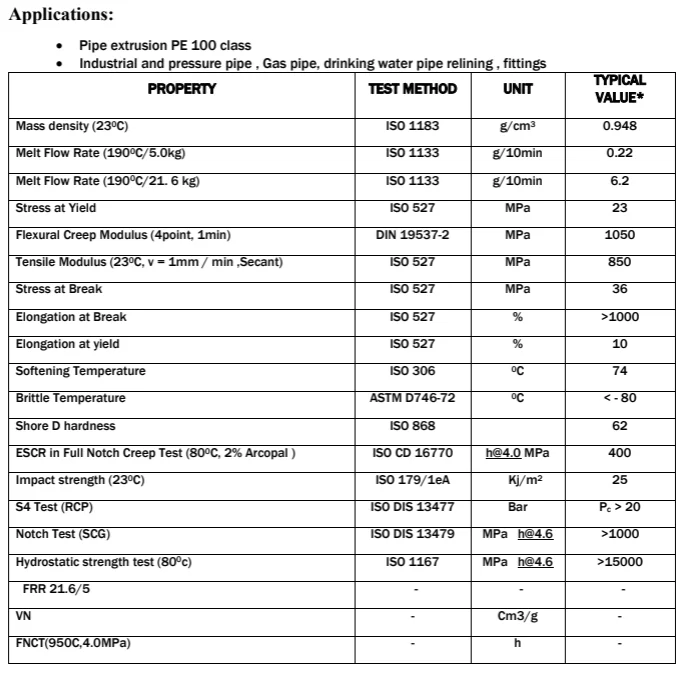
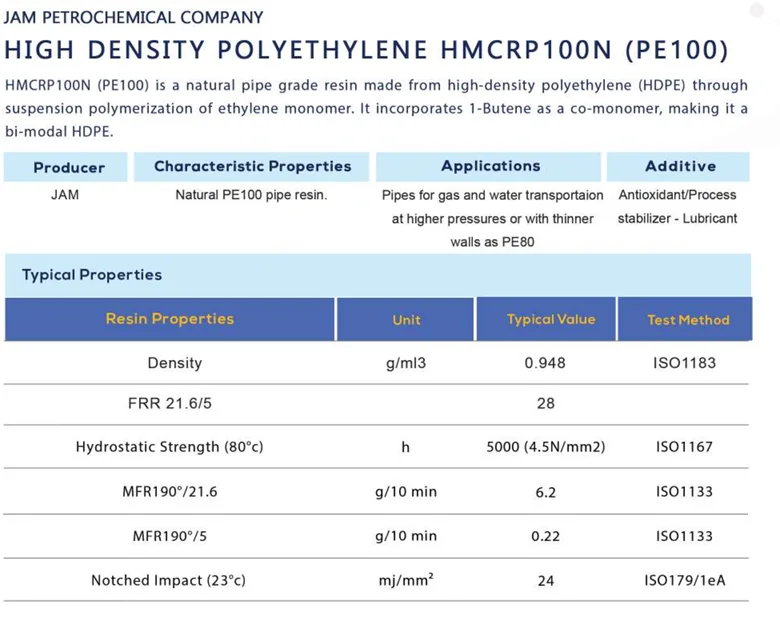
A technical data sheet usually describes a named grade, its intended applications and selected properties. Read the property units, test methods and any stated limitations. Check whether a value is described as typical data or as a contractual specification before using it as an acceptance criterion.
Use the SDS for hazard information
The safety data sheet communicates product hazards and related precautions. Review the supplier’s current document for the exact product, including the handling, storage and exposure-control information. Pass product-specific safety questions to the responsible competent person.
Request the COA for the relevant batch
A certificate of analysis is linked to a product lot or batch. Match its product identifier and batch reference with the supplied material. A producer’s certificate-search system may require the lot number, as illustrated by the Sigma-Aldrich document portal.
Check identity and revision together
Compare the producer name, grade, document date and batch reference where applicable. If any of these disagree, ask the supplier to confirm the correct file before relying on it. Retain the reviewed version with the order record.
State what you need
Use the contact page to identify the material and request the document type needed for technical review, safety review or batch verification. Specify the batch number when it is already known.
References · OSHA SDS content · Certificate of analysis lookup · Example of a producer grade record