
Grades, Documents and HS Codes: Build a Complete Material Record

A useful material record connects the commercial product name with the exact grade, producer and supporting documents. An HS code adds customs-classification information, but it does not replace a technical specification. Keep these identifiers clearly separated when comparing offers.
Identify the product first
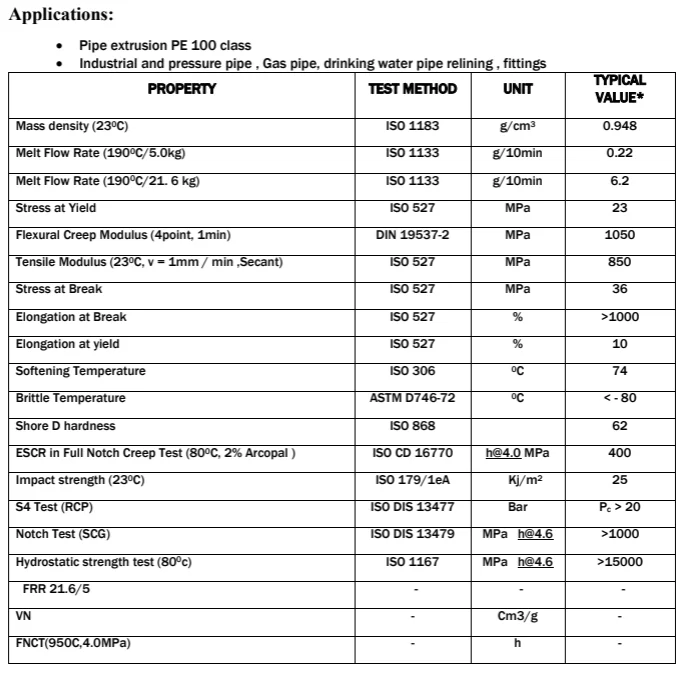
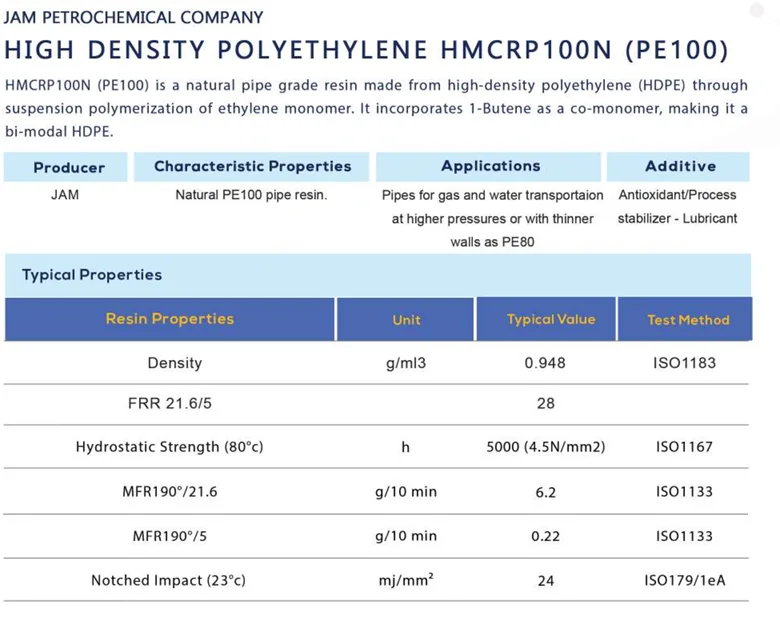
Start with the material family, full product name and manufacturer. Record the grade exactly as it appears on the producer document. Similar-looking letters or numbers can describe different products, so avoid shortening a grade code in an enquiry.
Link the right technical files
List the available technical data sheet and safety data sheet against the same product identity. Record the document revision or issue date. Keep batch-related certificates separately so a general datasheet is not mistaken for a record of the delivered lot.
Treat classification as a separate check
The international Harmonized System identifies goods using six-digit codes. Confirm the applicable classification and any destination-specific tariff requirements with the relevant customs authority or an appropriately qualified customs adviser. A shared material family alone is insufficient to establish the final classification.
Use a repeatable record format
A practical record includes producer, grade, product description, application, package type, document references and classification-check status. Mark missing fields as pending rather than filling them with an assumed specification or an unverified code.
Bring the record into your enquiry
Review the material catalogue and include the exact product identifiers when requesting an offer. Ask for clarification wherever the quotation and supporting documents describe the material differently.
References · World Customs Organization HS guidance · Batch-specific certificate search